![]()
In today's business world, effective communication is a key factor for success. Companies need to stay efficiently connected, both internally and with their customers and business partners. In this context, PBX (Private Branch Exchange) telephony has emerged as a comprehensive solution to meet the communication needs of modern organizations.
A PBX (Private Branch Exchange) is a private telephone switching system that allows businesses to efficiently manage and route incoming and outgoing calls. This system acts as a private telephone exchange, providing a wide range of advanced features and functions that improve communication and productivity.
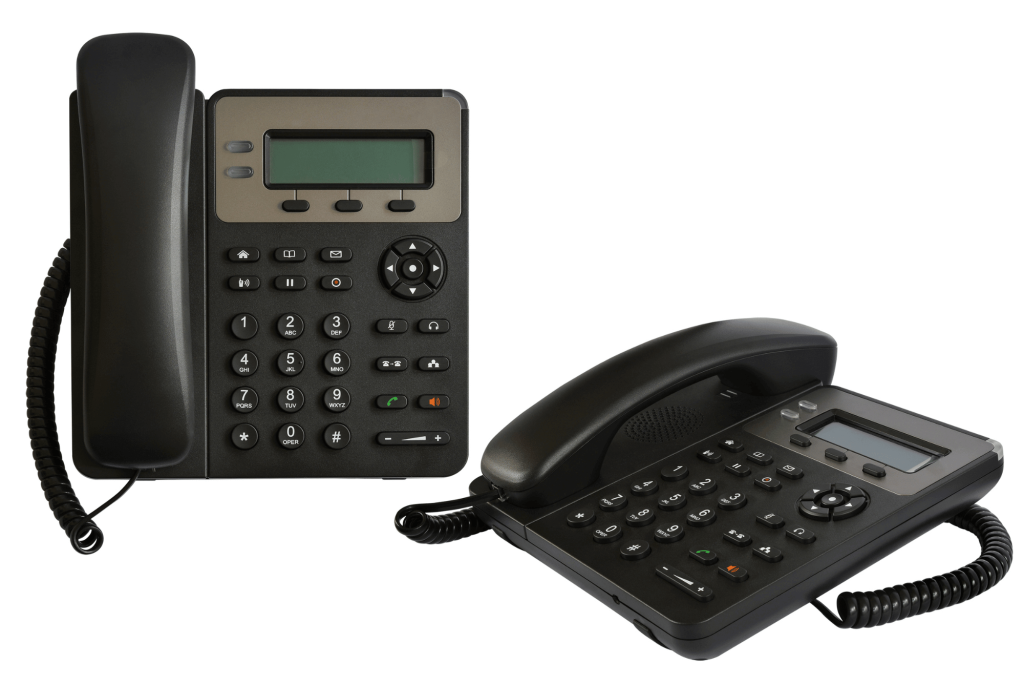
Traditionally, PBX systems used physical telephone lines and dedicated hardware. However, with the advent of Voice over IP (VoIP) technologies, modern PBX systems have become software-based solutions, making them more flexible, scalable, and cost-effective. (See iKono PBX).
Implementing a PBX system in an organization offers numerous benefits that drive business growth and efficiency. Here are some of the main benefits:
PBX systems facilitate communication within a company by enabling call transfers, conference calls, and integrated voice messaging. This improves employee collaboration and efficiency while reducing response times.
Advanced PBX features, such as call queuing, routing, and CRM integration, enable businesses to provide a better customer experience. Customers can be served more quickly and efficiently, increasing satisfaction and loyalty.
VoIP-based PBX systems significantly reduce communication costs by leveraging existing data networks and eliminating the need for traditional phone lines. Furthermore, conferencing and mobility features can reduce travel expenses.
Modern PBX solutions are scalable and can be easily adapted to a company's evolving needs. As the organization grows, the system can expand to support more users and features without disrupting operations. Furthermore, if the growth involves the creation of a new service area, it's possible to migrate to a more robust system.
(See iKono Call Center).
PBX systems offer mobility features that allow employees to access business communications from any location and device. This fosters a flexible and remote work environment, increasing productivity and job satisfaction.
Modern PBX systems offer a wide range of advanced features that improve business communication. Some of the most notable features include:
PBX systems can intelligently route incoming calls according to predefined rules, such as the originating number, business hours, or the receiving department. This ensures that calls are directed to the appropriate representative or department, optimizing efficiency and the customer experience.
Call queues allow you to organize and prioritize incoming calls, ensuring they are handled in an orderly and efficient manner. Customers can listen to personalized hold messages and receive updates on their place in the queue.
PBX systems facilitate conference calls, allowing multiple participants to join a call from different locations. This improves collaboration and reduces the need for costly travel.
The call recording feature allows businesses to record and store phone conversations for training, regulatory compliance, or dispute resolution purposes.
Modern PBX systems can be integrated with customer relationship management (CRM) systems, productivity applications, and other business solutions. This enables a smoother workflow and better management of customer interactions.
PBX systems generate detailed reports and communications analytics, providing valuable information on call patterns, wait times, and other data important for business decision-making.
Implementing a PBX system in a company can be a complex process that requires careful planning and a thorough assessment of the organization's specific needs and requirements. There are different implementation options, such as on-premises or cloud-based (hosted) solutions.
On-premises solutions involve installing and maintaining the PBX system hardware and software within the company's premises. This provides greater control and customization, but also requires a higher initial investment and dedicated resources for administration and maintenance.
On the other hand, cloud-based solutions offer a more flexible and scalable service model, where the PBX system is hosted and managed externally by a service provider. This approach reduces initial costs and maintenance burden, but may involve limited control over the infrastructure.
Regardless of the implementation option chosen, it is essential to have the advice and support of telecommunications experts to guarantee proper installation and configuration, as well as comprehensive training for end users. For this step, iKono Telecomunicaciones offers you optimal support throughout the entire implementation process in your company.
In today's business landscape, PBX telephony plays a crucial role in optimizing corporate communications. These advanced systems offer a wide range of features and benefits that improve efficiency, productivity, and the customer experience.
From improved internal communication to intelligent call routing, conference calls, and integration with other business applications, PBX telephony has become an indispensable tool for businesses seeking to remain competitive in an increasingly demanding business environment.
As communication technologies continue to evolve, PBX systems will continue to adapt and offer innovative solutions to meet the growing demands of modern organizations. Those companies that adopt and fully leverage the benefits of PBX telephony will gain a significant competitive advantage in terms of efficient communication, customer satisfaction, and overall productivity.
Keywords: PBX, PBX Telephony, Corporate Telephony, iKono PBX, iKono Call Center.
Fountain: iKono Telecommunications
Learn about the IP telephony, multi-agent chat, and mass text and voice messaging solutions for your business.


2 Responses